Friday, June 9, 2023

Kaguya-sama: Love Is War? (2020)


Kaguya-sama: Love Is War? is the second season based upon the manga. It is twelve episodes long and follows two high school prodigies, Shirogane Miyuki and Shinomiya Kaguya. Both are in the student council and they both like each other. However, due to their pride, they want to force the other to confess first and thus this romantic comedy is born. The first season was great with plenty of hilarious moments, and the second season continues with the same format. Each episode has several sections that depict the events of the pair, usually joined by other student council members, like Fujiware and Ishigami.


Despite the supposed cleverness of Shirogane and Shinomiya, the high-octane intense strategizing and scheming doesn’t’ necessarily reflect that. Most of the time, it feels quite normal. This isn’t a real complaint given that the scenarios work and there are times where the pair overcomplicates the situation leading to the humor, it’s just that the anime constantly tells you that they’re prodigies but only occasionally show their brilliance.


Shinomiya was already trending towards this in the last season but she becomes even more infatuated with Shirogane. This is to the point of constantly losing her composure and acting like a typical teenage girl with a huge crush. This would be usually quite normal but her original (and apparent) cold and cal
culating demeanor is disappearing, making it feel that the pendulum is swinging too far on Shirogane’s side. It feels that Shinomiya cares much more about Shirogane that he does for her, or at least it is more apparent in her actions and body language in comparison.


The current situation is that it is blatantly obvious, to each other, that the pair like each other. You wonder how the story can continue when they get so close, that surely, there is nothing more to develop? Well, as any anime does with these kinds of situations, it just amps it up even more. Scenarios get more exaggerated, and the fact that even the characters react in shock to the craziness of their situation is what makes you laugh. It takes things that are normal, and embellishes them to the point that it’s a smooth and natural extension of that concept, yet still outlandish.


Time marches forward in this season and the school year ends with Shirogane finishing his first year as the student council president. He considers leaving, given that he doesn’t have any need for the position any longer now that he has his letter of recommendation from the school. However, the student election is brought up to be a big arc, so naturally he throws his hat into the ring again. In this arc, we see how scarily competent Shinomiya can be when she wants to, although she melts back into a mess as soon as Shirogane is anywhere related to anything she’s doing.


The student council election introduces a new recurring character, Miko Iino. She is uptight and serious. At first, she’s the only straight one of the group, and the humor comes from all the misunderstandings that she unfortunately has to witness. It’s complete when she exaggerates the situation even more in her head. She refuses to be corrupted by the unruly student council and granted, the council now trends towards play rather than work. Miko has a history with Ishigami, who always had the short end of the stick. He’s an integral part of the student council, and the anime, given that his reactions are always gold. His honesty and straightforwardness gives him cold stares and disgust from effectively all the other characters, but gives rise to dialogue that will leave you in stitches.


While the season, and the anime in general, is a comedy with plenty of silliness, there was an arc towards the end of the season where it packs an emotional punch. Maybe it’s because it is one of those scenarios where the good guy gets framed for something they didn’t do, or maybe it’s because Ishigami gets fully fleshed out and we see why he is such a recluse. Either way, it is something that you’d wish that Ishigami got the justice he deserved, but sadly, that isn’t fully the case. It’s still got a good ending but you’d just wish there was more to it.


Fujiwara remains hard to fathom. Sometimes she is just an airhead with no clue on what’s happening in front of her eyes. Other times, you suspect that she does have a clue and is secretly scheming and manipulating the others. This is reflected in Shinomiya’s view of her, where it swings between suspecting Fujiwara plotting against her, and then softening up and forgiving her afterwards.


A-1 Pictures aren’t exactly known for their high quality animation but it works here. The deformed models and lack of detail in certain scenes is used to good effect for humor, although there is a tendency for it to happen too frequently. There are a lot of static scenes and cost-cutting moves, but the story itself lends well to this type of animation given that the majority of scenes are talking or walking. What happened is that the writing helped overcome the shortcomings of the animation quality. The humor continues to ramp up all the way to the end of the season, where it peaks.


The anime has a lot of sexual references, which can be surprising since you don’t expect it to be so explicit. The OVA dials this up as it is completely filled with fan service, done in a funny way of course. The amount of fan service is surprising, especially with how far it goes, given that the seasons were normally so restrained. It constantly plays on the fact that Shinomiya is a sheltered rich girl who is still brimming with innocence and naivety. She might be clever in most areas, but love and relationships are not one of them.


Overall, Kaguya-sama: Love Is War? is a great season and it definitely provides you more of what made the first season so good. While at the beginning, it doesn’t quite hit the highs of the first season, given that you now have expectations, it manages to exceed those very same expectations by the end of the second season. The fact that the characters are so quirky but likeable, and how it twists even the most mundane of scenarios into scenes with so many laughs, is seriously impressive.

-----------------------------------------------

For other anime reviews, have a look at this page and this page.

Wednesday, June 7, 2023

Eiyuden Chronicle: Rising (PC)


Eiyuden Chronicle: Rising is the first in the series, being a spiritual successor to Suikoden. Rising is more like a bite sized prologue, and it is an action role playing game. You play as CJ, who had just arrived at a town in search of treasure. The town is small but is filled with adventurers hoping to strike their fortunes. CJ ends up helping around town and the game has a town-building aspect.


The combat is simple since it is basically button mashing. There is one button to attack but once you get more characters in your party, the other buttons will be mapped to the other characters’ attacks. Using their attacks will automatically swap them in and trigger a link attack that you can eventually chain multiple together for devastating damage. This means you’ll only ever have one character fighting at a time. The character can also jump, while the trigger button will activate that character’s unique ability. For example, CJ can do a quick dodge forwards or backwards.


The game is quite easy overall since enemies telegraph their attacks in an obvious manner and usually gives you plenty of time to react. It’s the same with bosses. Defeating an enemy will give you experience points for leveling up. They can drop items, while there are environmental objects that you break for even more items. Everything flows together well since it is quite streamlined. Perhaps the most striking thing that hits you first is the visuals. The game is a 2D side-scrolling game with 3D backgrounds, and it gives it a unique look.


Progression through the game is linear, even if the dungeons are not. CJ will get one story quest at a time and it is easy to find where you need to go as it will be marked on your map if it is at a place you’ve been to before. Dungeons are separated into smaller areas and even when there are multiple paths, those are usually closed until you get a new ability. It’s like a simple Metroidvania in this aspect. There is a great quality-of-life element with the fast travel system, so you don’t have to waste time traversing and backtracking much more than you need to. It’s easy to zip around the different areas.


Sidequests are soon unlocked in the story and they’re the same structure as the story missions. They’re very quick to finish, which is great due to the sheer number of them. They add to the town building aspect as some of the sidequests relate to new shops in town, allowing you to improve an ability or unlock new enhancements. Both the story quests and sidequests constantly require you to enter the same few dungeons and backtrack. However, it doesn’t take as long as you might expect given you’ll most likely be overleveled by that point. That’s not even mentioning that you get to unlock new areas or collects new types of loot, which helps keep it fun and addictive purely due to how quickly you can check off the sidequests. It helps that the rewards are decent too.


Given all the town building, there are constantly new upgrades, items and equipment to purchase. You’ll end up being low on money throughout the whole game, as you regularly must decide on what you want first. Should you create new weapons or armors first, or upgrade them? Should you expand your bag space or unlock passive abilities? It’s tough at times.


The story is probably the weakest aspect of the game. It is low stakes and focused purely on the town building aspect as CJ is building up her reputation by helping the townsfolk, while trying to find treasure at the same time. The fact that there are only five or so dungeons to explore means that there’s not a lot of environmental or monster variety either. The game takes around 10 hours to complete, and that’s with finishing most of the sidequests. Upon finishing the game, a few more sidequests, of the same nature, appear, and there is a harder difficulty to select from.


Overall, Eiyuden Chronicles: Rising is a good game. It’s simple, but its simplicity is what makes it really fun. The combat is quick and easy to learn, and although the story and sidequests require a lot of backtracking to explore new areas and grind for items, the quality-of-life elements such as the good fast travel system, means it is not a huge chore. The graphical style looks great and suits the game for what it is going for, and as a small taste and teaser into the Eiyuden Chronicle series, this does a great job.

--------------------------------------------------

For other game reviews, have a look at this page and this page.

Monday, June 5, 2023

Fairy Tail - Season 3 (2011)


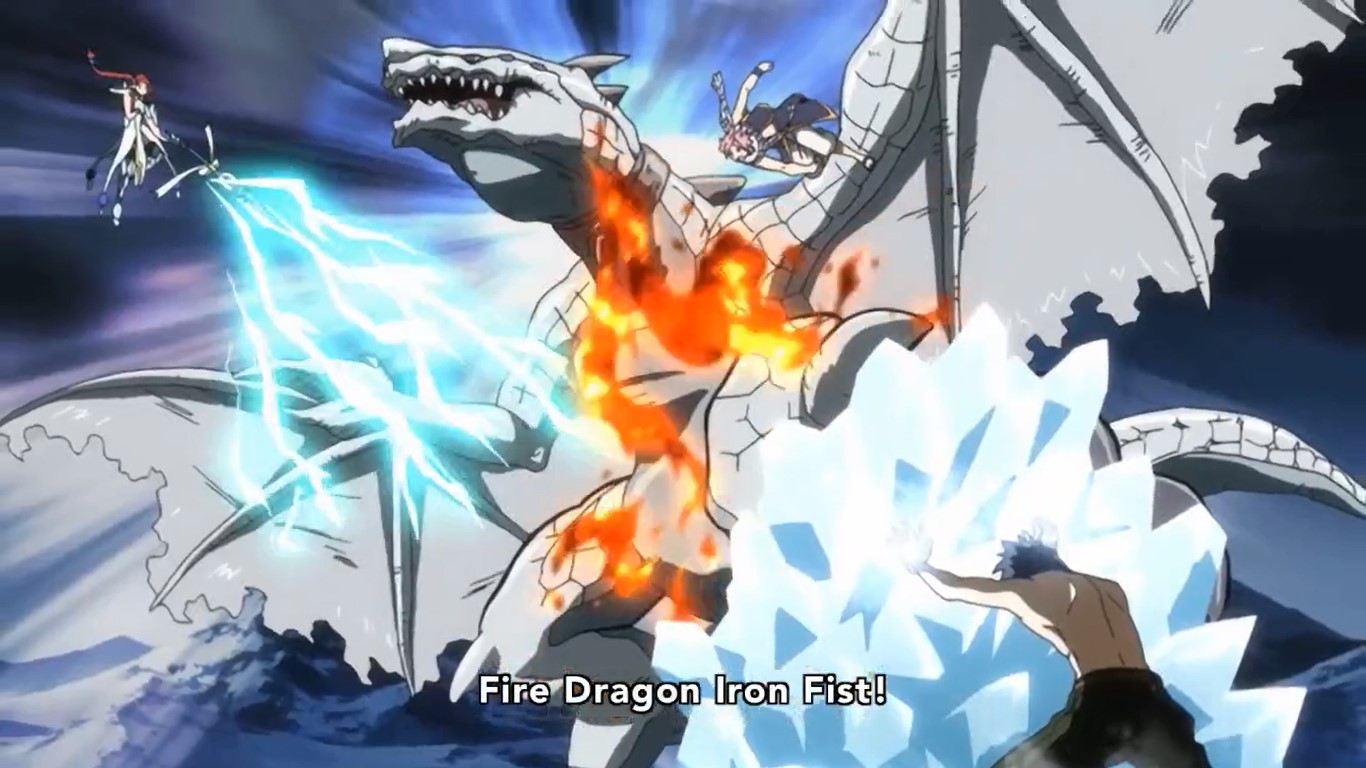
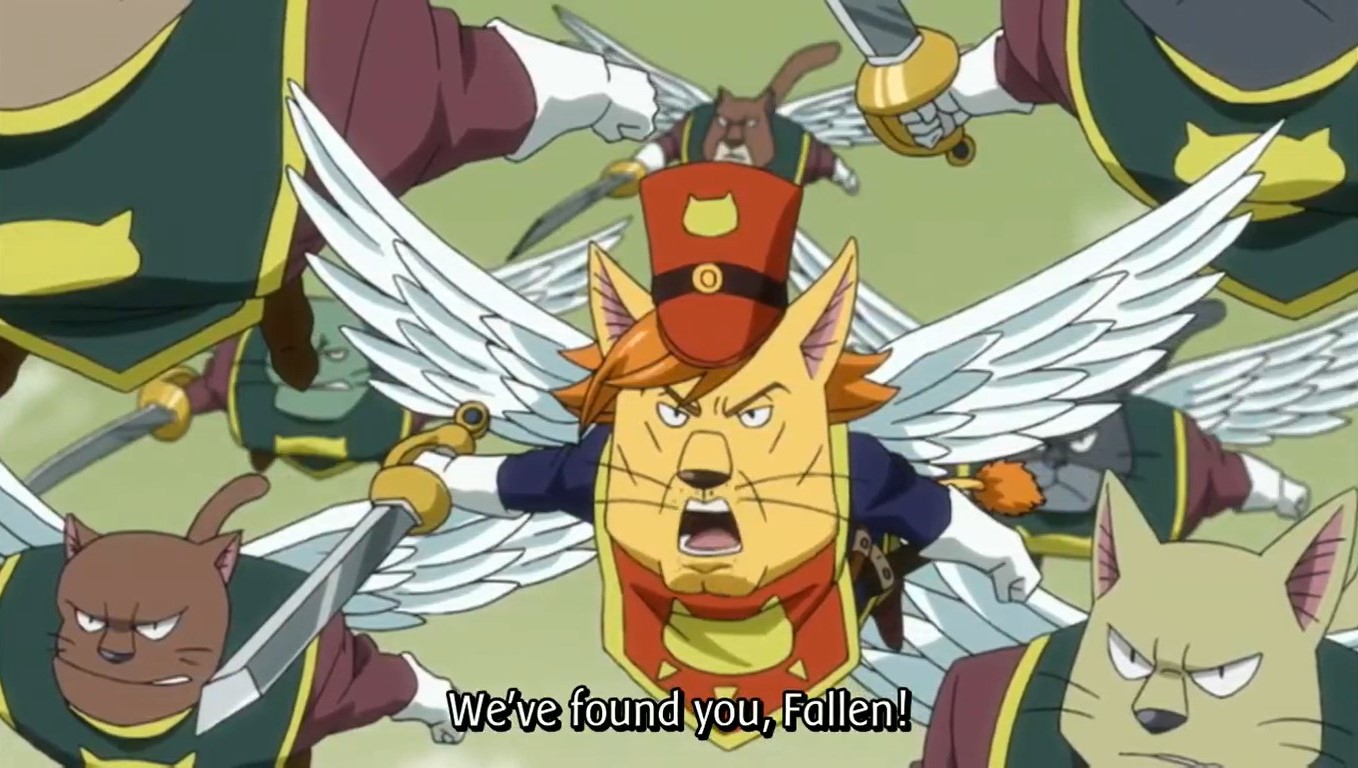
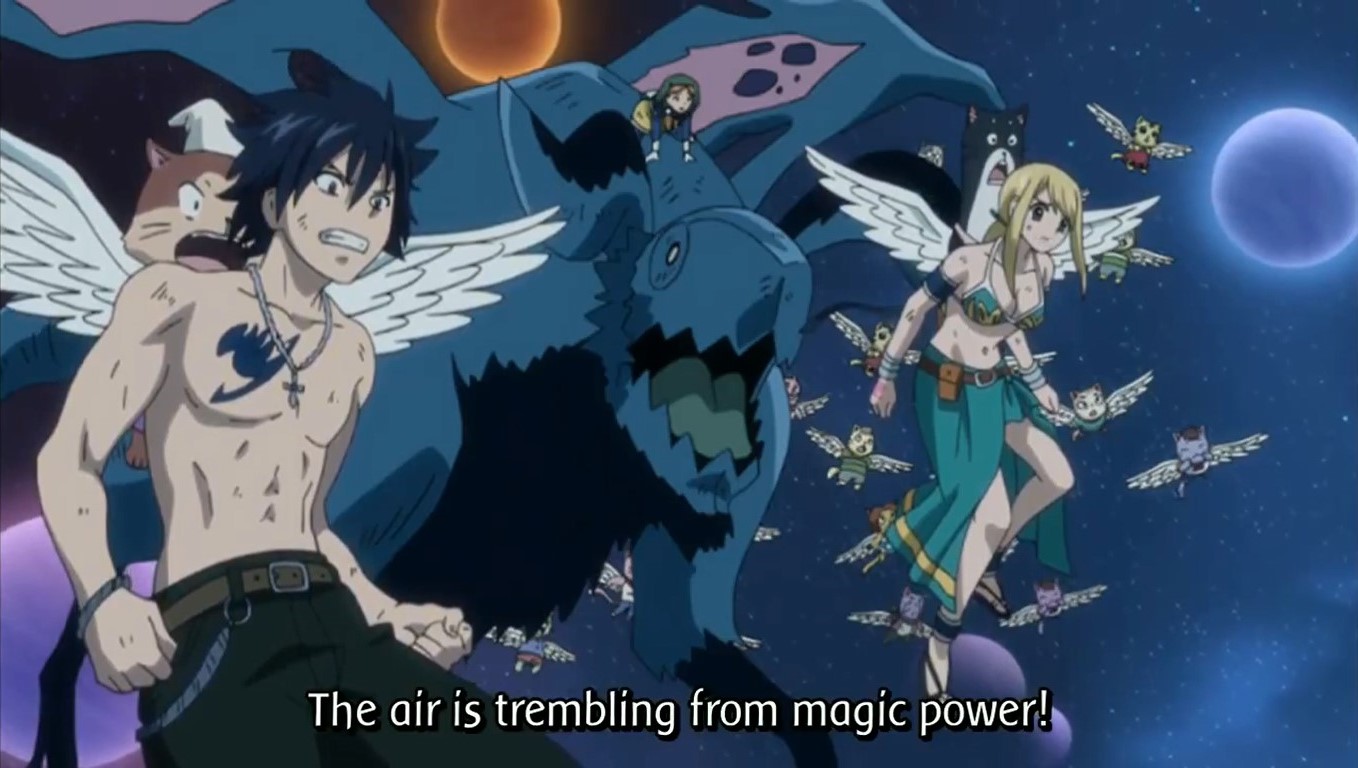
The third season of Fairy Tail is 28 episodes long. As is the tradition for Fairy Tail, the season starts with a few episodes of filler. It follows the guild Fairy Tail, in particular, the characters Lucy, Natsu, Happy, Erza, Gray, and now joined by Wendy and Carla from the previous season. They go out on a few quests as Wendy and Carla accustoms themselves in the guild before it moves onto something more interesting, and in a surprisingly quick way. A new character, one whom is touted as the strongest in the guild, makes an appearance, and brings with them a promising tidbit about the dragons that had gone missing in this world, but that part is quickly dropped.


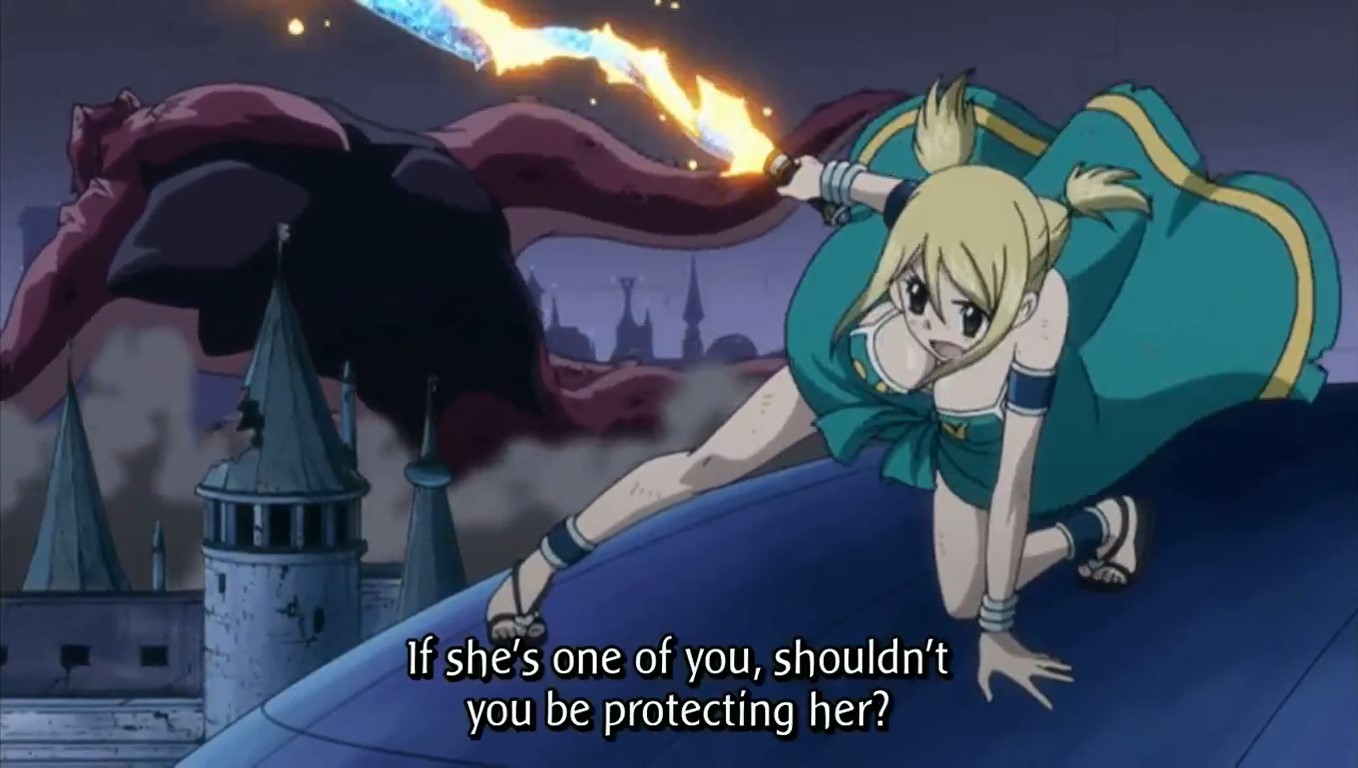
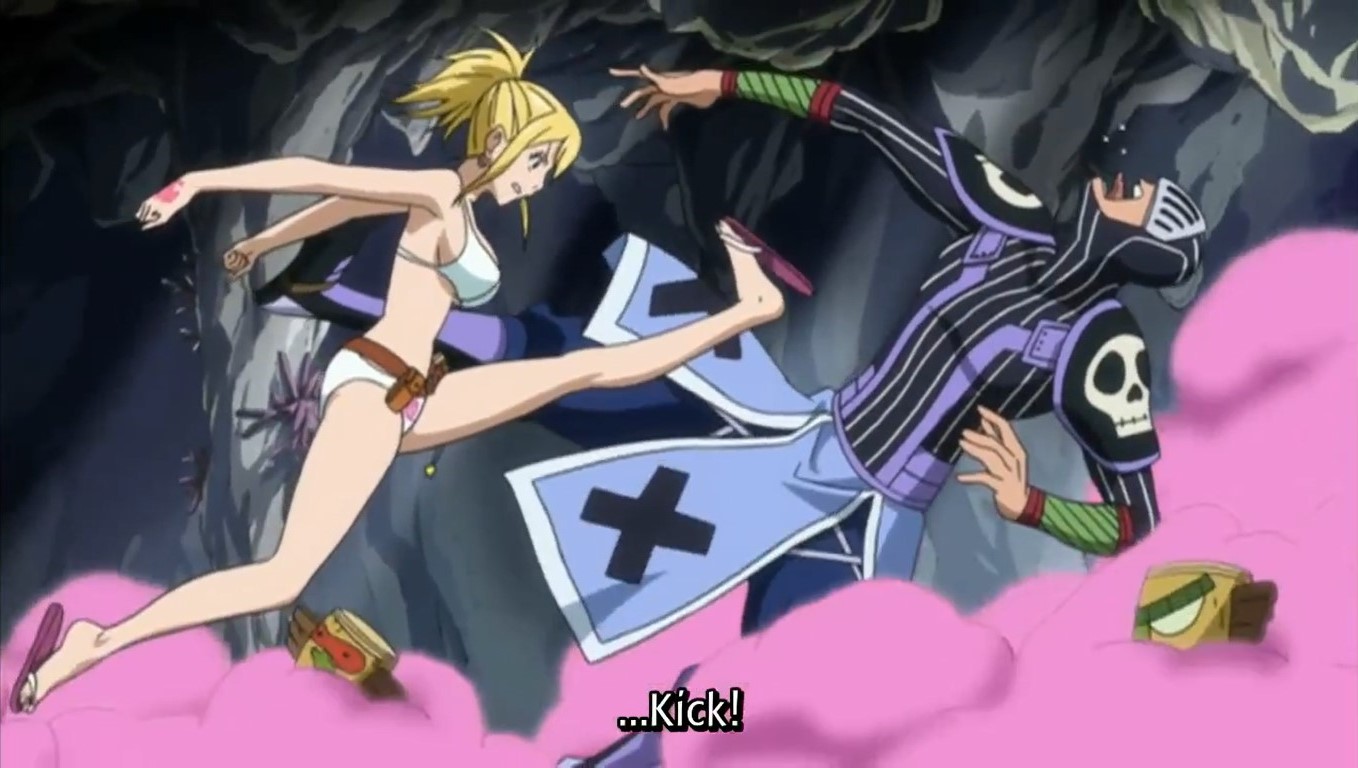
While the season doesn’t go over the same plot as previous seasons, it still falls in the same trap of constantly retconning things in the guide of revealing more backstory of the characters. Nevertheless, it takes a somewhat surprising turn of events. Although once you realise what it is doing, the events that follow are usually predictable. The season tends to focus on Natsu and Wendy, along with Happy and Carla, so the other characters can feel like that they are being left out. Lucy has a short timeframe where she shines. She is usually the weakest member but by some twist, she is now one of the strongest, superseding even Natsu, although this is a temporary thing. However, she is the anime’s primary fan service character, and those types of scenes are starting to increase in frequency.


The anime finally gets its footing in terms of balancing the tone between silliness and seriousness. In the past, when it got too serious, it was always quite boring and hard to take seriously. When it got too silly, it was just… too silly. Now, it strikes a good balance, especially with how it dealt with its plot twist and the effects it has on the characters.


Unfortunately, the animation continues to feel low budget. There are a lot of static scenes where the only thing moving are the characters’ mouths. And don’t even think about fight scenes, since when the animation has to go this far for just the dialogue scenes, there’s no hope for anything else. Plus, the animation studio isn’t exactly known for their quality. The writing, which isn’t spectacular in the first place, can only go so far to help mask the poor animation. The pacing remains slow, because even when things are happening, there are filler scenes inserted in between, which can make it off-putting and boring.


Despite its flaws, the story pacing and the general interestingness of the plot is improving. It’s probably one of the best, if not the best, thus far, even accounting for the cliché bombs of twists and turns. Gray and Erza doesn’t have too much presence in the beginning, so when they finally do appear for the main show, it’s very welcomed and you’re genuinely excited to see them. The world is greatly expanded upon, although probably not in the way you would have wanted. It will be interesting to see if the future direction will take these events into account, but it will most likely just be another blip and be completely ignored afterwards.


The season is predominantly taken up by one arc. This arc, like most of the others so far, drags on for longer than it should. It loses steam towards the end when you just want it to finish and move on. The ending is far too idealistic. It’s one of those where things are easily forgiven, and characters become friends and allies. The villains get an easy way out and people make up, just like that, there are no lasting consequences. While it is sad to say goodbye to some characters, there will be others that show up with their return after you thought they were permanently gone. This fate cheapens the character development that previous seasons were pushing so hard for.


The last part of the season deals with guild matters after pushing it out of focus for most of the season. It focuses on another supporting character, giving them a bit more depth than just someone who looks pretty and drinks a lot. We see a little bit of how the guild operates and promotes its members through the ranks. It only spends a few episodes on it before the season ends right when it feels it is just starting to get into it. It’s weird when you look at the season discretely, but not so much when you consider that when it was on air, the next season started the week after, so it’s just a formality.


Overall, the third season of Fairy Tail, while still not stellar, is one of the better seasons in that the arc was much more interesting. Granted, it felt like it retconned a lot of things, trying to disguise it as if it was the intent all along (and maybe it was, just that it didn’t feel like it was elegantly done). The pacing and characters are more engaging, although it runs out of steam towards the end, where it was stretching it, giving you several false ends. Having a tiny bit of the next arc shoved into the end of the season is kind of weird if you watch by seasons, but if you are watching it back-to-back, then it’s not as jarring.

--------------------------------------------

For other anime reviews, have a look at this page and this page.

Sunday, June 4, 2023

Toy Review: Transformers Generations Legacy Evolution Tarn (Voyager)


Review: 
#767
Name:  Tarn
Brand:  Transformers
Allegiance:  Decepticon
Line:  Generations - Legacy: Evolution
Year of Release:  2023
Size Class:  Voyager (Wave 1)
Mold Status:  new

TANK MODE:


Tarn is based upon his IDW comic appearance and transforms into a purple and black Cybertronian tank.


For a Cybertronian tank, this looks pretty decent, great even.  It lets you down though with the exposed robot fists when viewed from the back, and also a bit more of an unsubstantial back half of the tank.


Tarn is average in size for a Voyager.


The multiple treads works well, as does the various guns.


The turret can rotate, despite at first appearing it might not.


This is a strong tank mode, if the designer could have made the fists fold back into the forearms, then this would have been perfect.

TRANSFORMATION:

Tarn's transformation scheme isn't simple, nor is it complex, it's about in the middle.  The turret is removed, and then you just unfold the back to form the legs, it's basic there.  The arms require a number of rotations as they're formed by the treads, which also helps to bulk up his torso in robot mode.  The front of the tank folds down to form the chest plate.

ROBOT MODE:


The star of the figure is robot mode and Tarn looks amazing here, with a great amount of bulk and athletic proportions.


He is fairly kibble free too, nothing sticks out awkwardly, the various tank features are utilized in good fashion as distinguishing elements of the robot mode.


The head sculpt (which is a mask in the comics, but is unremovable here) is clearly fashioned after the Decepticon insignia and it looks absolutely stunning.


Tarn is also a tiny bit taller than your average Voyager figure thanks to his long legs.


Articulation is fantastic, he has joints for his head, shoulders, elbows, wrists, waist, hips, knees and ankles.


His weapon is formed by the tank turret, which can split into three pieces.


If you keep it in the same configuration as the turret, it can peg onto his forearm.


It can also store on his back when not in use.


By extension, you can rotate the piece while it's on the back, rearrange the cannons by moving it to another port and it'll form over-the-shoulder cannons which looks very decent.


The two guns can unpeg and combine together to form a longer gun which he can hold with both hands at the same time, he has that much dexterity.


And finally, he can wield the guns the old fashioned way, which is one in each hand.


In yet another surprise, Tarn has joints that allow his fists to open.  It isn't really required for anything so it's a bit puzzling why this hinge was included, it would have been preferred if the hinge was instead utilized to allow his hands to fold away in tank mode.


Lastly, Tarn doesn't have many hollow parts either, it's not excessive and this allows the robot mode is feel great in hand.

OVERALL:

Tarn is yet another winner in the Legacy line.  He has two strong modes, but the robot mode does stand out as the clear winner.  His weaponry provides a lot of options for robot mode, which in turns brings about a lot of play value.

---------------------------------------------------

For other Transformers reviews, have a look at this page and this page.

(As an Amazon Associate I earn from qualifying purchases)

Friday, June 2, 2023

Arifureta: From Commonplace to World’s Strongest - Season 2 (2022)


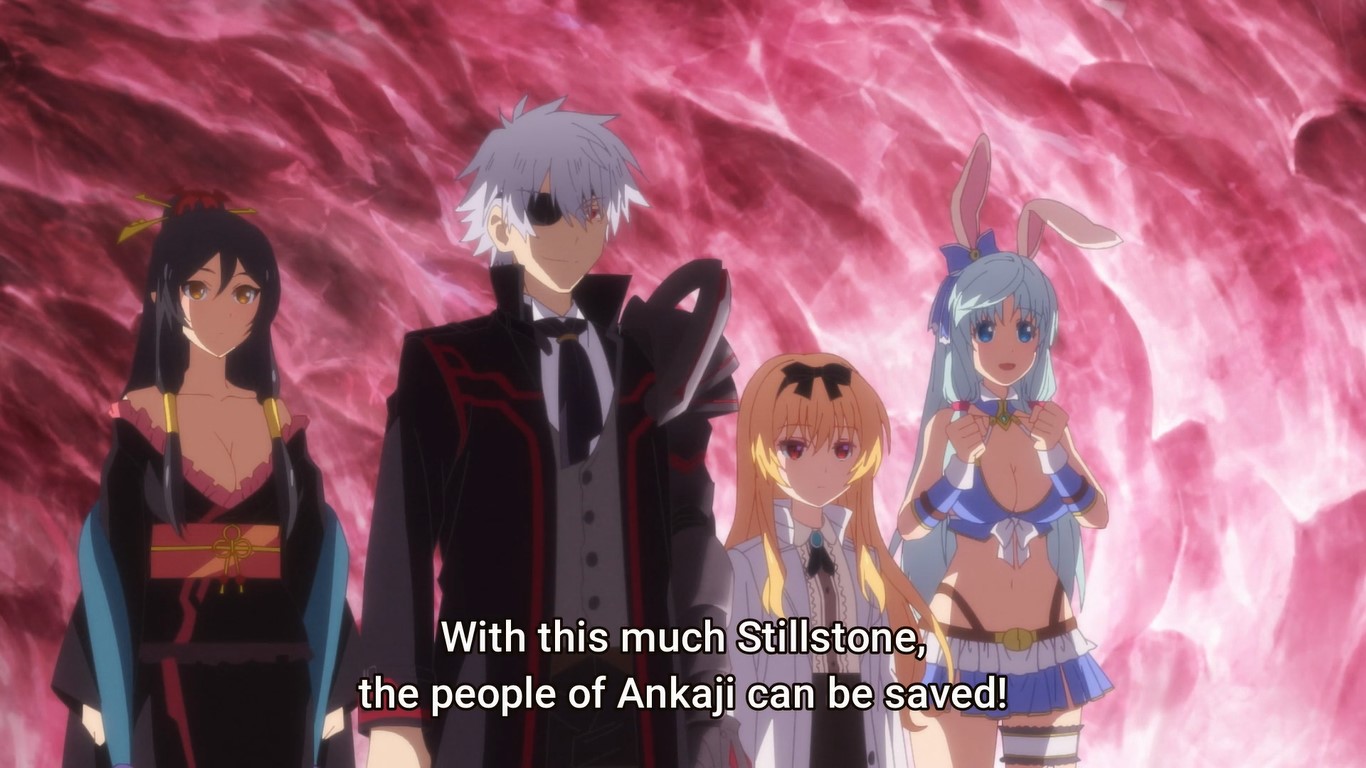
The second season of Arifureta: From Commonplace to World’s Strongest is 12 episodes long, with an OVA released later. It follows Hajime, who in the previous season was summoned into this world alogn with his classmates. Hajime was stabbed in the back (so to speak) and casted off by one of his classmates in the dangerous Great Orcus Labyrinth. However, he managed to survive, changing significant in the process. He started off being weak and pathetic but by the start of this season, he is your stereotypical isekai male protagonist. That is, he is absurdly overpowered and has a harem of beautiful girls who adores him. It plays into this aspect a lot as each of them expresses their admiration and love to him, which can be eyeball rolling inducing.


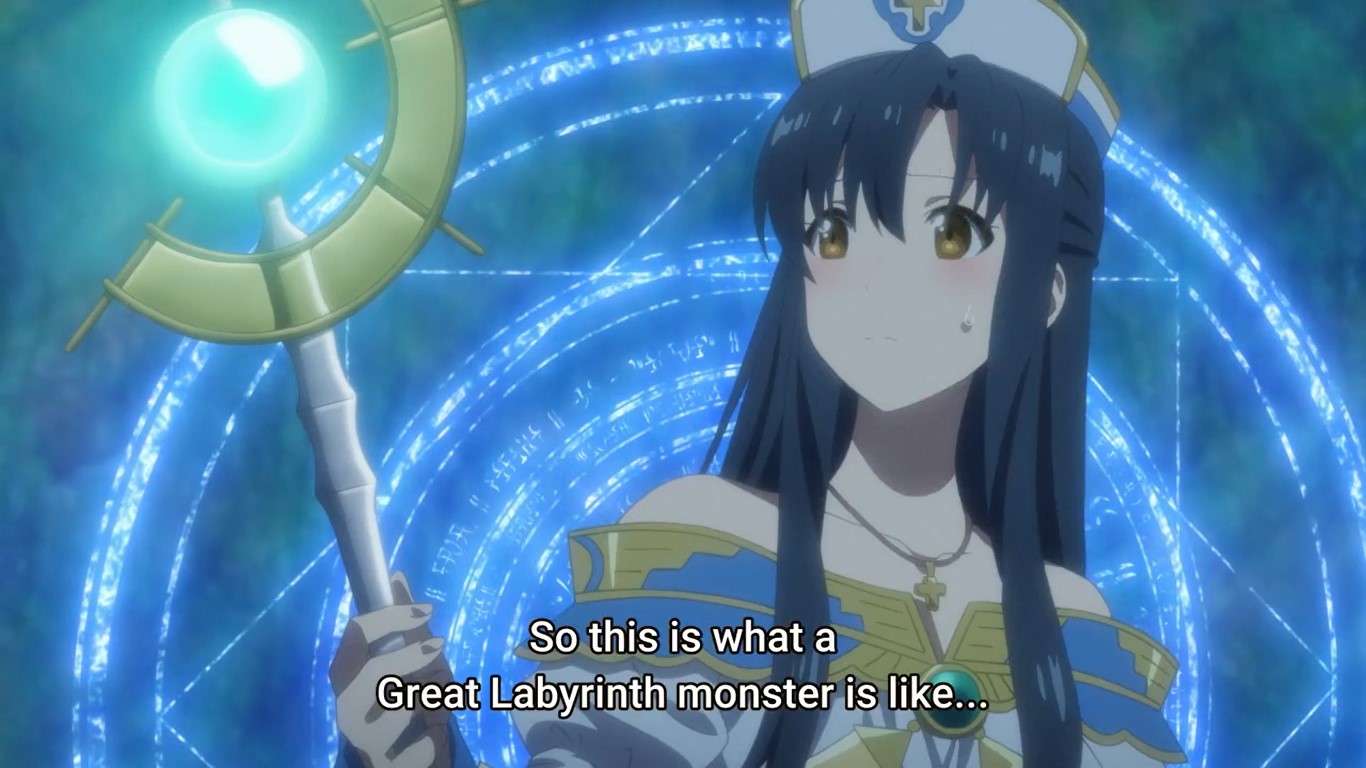
Not only is Hajime without peer, but each member of his party is extremely strong as well. There’s Yue, who can use powerful magic without chanting; Shea is physically strong; Tio is a dragonborn, able to transform into a black dragon; and Kaori is a goddess healer. To be fair, it wouldn’t be that fun to see Hajime curbstomp all his opponents so he is thrown some significantly more powerful members of the demon race to battle against, and they can give him a run for his money… at first . with the demons being so smuch, you know that they will be destroyed by Hajime in the end. Hajime is pretty much the ultimate wish fulfilment character, and it can go overboard, but it’s more like a guilty pleasure rather than pure annoyance like some other isekai protagonists.


Hajime has several abilities that can seem unfair. He has an infinite storage pocket and had created replicas of modern-day weapons from his own world. This clashes heavily with the fantasy theme, especially when he pulls guns, grenades, an armored vehicle and even a submarine out. It’s ridiculous and also cringeworthy or lame. Supposedly, Hajime had enough knowledge, and time, to recreate all the complexities of such machines. You can’t talk about this anime without mentioning the subpar animation from the first season though. The aesthetics remains similar, but the animation quality has improved. It’s still weak in areas, especially in scenes where it uses 3D models.


The story itself can be interesting. Hajime and his party is traveling around the world hunting for the labyrinths that will grant him even more overpowered abilities. Given that these labyrinths are left over from past isekai heroes and that they are providing these magics to overthrow “god”, and given that Hajime was summoned by the church, there are plenty of intriguing directions that the plot could go towards to.


The plot moves briskly. Despite each of the new labyrinths that Hajime is visiting, supposedly each one as difficult as the initial one, only an episode or two is spent on them. This is a shame as it doesn’t portray the challenges that the party had to face and overcome. Rather, it only shows Hajime’s absurd overpowered-ness and uses the time to emphasize other aspects of the anime. In particular, it constantly shows the absolute adoration and popularity that he has with his female party members. Just like the first season, it can be too much so that it ends up having the opposite effect, one of annoyance and the fact that it is obstructing the plot.


It might be ironic and funny to mention the “plot” in such a fan service and wish fulfilment heavy anime, but there is a lot of potential. Even more so when there’s the fact that the powers that are granted by the labyrinths aren’t exclusive. Multiple people can be granted the same power. With the fact pacing, even the big twist in the final arc of the season doesn’t work too well. It spends literally five minutes to build it up before revealing the culprit and that makes it really hard to care. The motivations of the antagonists his season were all one-note. One is just because they are evil, while the other two are because of their love for another. Given that some of them are teenagers, it does make sense for them to go to these extremes for such a relatively shallow and stupid reason.


The actions of the villains are shown to be deplorable since they’re filled with betrayals and other more unforgiveable crimes. It also portrays Hajime and his party as not completely righteous either, given that they easily kill hundreds. A comment made by Shea during one of those battles was quite rationale, in that why should she care about an enemy’s backstory, when she is about to kill them, and they attacked first. Still, all this doesn’t quite work to portray them as anti-heroes when there are so many actions that they did that goes against that.


The season ends with another twist but one that is easily resolved. Why? Because coincidentally, just after Hajime learns a powerful spell that may seem like it has limited uses, the perfect scenario for it to be used comes up. It kills any kind of drama and tension, making the whole thing completely contrived. It’s one of those idealistic routes that is way too convenient. Hajime also has these crazy weapons and powers that he had made offscreen, never shown before, that he keeps pulling out and using to wipe out his enemies. He uses a weapon to nuke an entire army at the end without so much as an explanation on how he created it, or how it works, it’s just there and does. There is an OVA, which takes place earlier in the season and is like a random day in their travels. It starts off okay but the second part of it can be slow-going.


Overall, the second season of Arifureta: From Commonplace to World’s Strongest is average in the sense that at its core, there are a ton of plot points that is interesting and worth exploring. Unfortunately, the writing decides to rush through all the vents so that everything feels shallow and nothing is ever explored in-depth. It then puts the rest of the time into showing off Hajime’s harem, the adoration he gets, and the absurd power that he has obtained. Unlike the first season where part of it showed Hajime’s struggles and sufferings to get his powers, it’s complete now. He’s just that overpowered protagonist that gets whatever he wants and can mode down anyone and anything.

----------------------------------------------------

For other anime reviews, have a look at this page and this page.
Blogger Widget