Friday, January 20, 2023

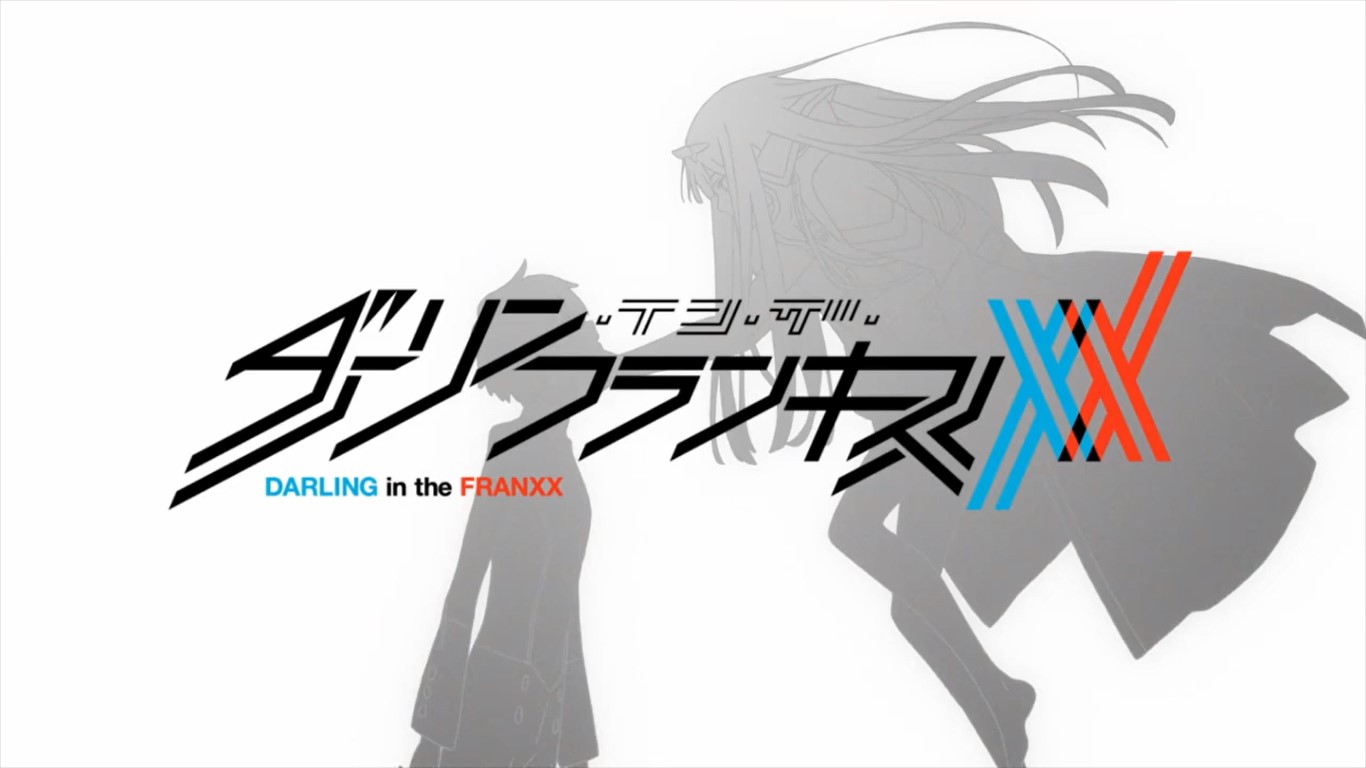
Darling in the Franxx (2018)


Darling in the Franxx is a 24 episode original anime. It is co-produced by A-1 Pictures and Trigger, while animated by Trigger and Cloverworks, so you will now that it will not be your typical anime. It has the unique style of Trigger, from the aesthetics to the designs of the mecha. The mecha are definitely not your typical giant robots, they are full of organic looking curves and human-like facial expressions rather than straight hard metal.


The anime takes place in a world where there are giant monsters known as klaxosaurs (strangely also mecha-like, and stone-like at the same time) that would attack the domed cities that civilisation reside in. There are children, all having digits as their names, who are called “parasites” and able to pilot giant mecha known as “franxx”. Franxx must be piloted in a male / female pair, and they both must be perfectly in sync.


The plot follows Hiro, a boy who has no partner, and is deemed a failure. While the others graduate to become parasites, he still laments and hopes for his chance to pilot again. Fate allows him to encounter Zero Two, a girl with horns that is rumored to be the “partner killer”, all her partners do not survive past three pilots. They immediately hit it off and are compatible, showing off their potential in the franxx.


The anime starts off strong, with an intriguing setting, and slowly sorting through the confusing worldbuilding, so that the viewer gets a better idea of what’s happening. However, one thing that stands out are all the sexual innuendoes, from the way the male pilots the female in the franxx, to the more obvious flirting between Hiro and Zero Two, it can be a step too far. The setting slowly becomes clearer. This is a post-apocalyptic world, there are giant cities beneath the dome, and yet the protagonists, whom are all children, only has access to the surface facilities. All they know is how to pilot franxx, and they are inexperienced in everything else, from relationships to even what a kiss is.


Hiro’s peers are competitive, of the bad kind. They’re always wanting to outcompete each other and prove that they’re the best, by pushing down and belittling Hiro, which can be annoying to watch. On the flip side, Zero Two is extremely attached to Hiro, and the way she immediately settles to call him “darling” can be melodramatic. The pacing dramatically slows down in the middle of the season. It spends a lot of episodes covering the backstories of several of the characters, although they’re not the most interesting. It tells it in such a way that it’s in pieces, and then in the next episode, builds on that, but can feel repetitive. It also uses this way of storytelling to slowly reveal the situation, where it constantly hints at how there is a cruel fate awaiting the children, while they have false hope.


While we know that Zero Two is unique and different, you won’t be expecting the real truth. Unfortunately, along with the other stuff, this bogs down the anime as the tone changes and feels a lot more depressing compared to the beginning. It’s like the opening was a false promise, and now we are getting to what the anime really is, which can be too oppressive, like a heavy weight constantly on the characters’ shoulders. The flashy battles, adrenaline filled battle cries, and the colorful animation, all starts to slowly be replaced with muted colors and serious undertones.


The pacing is very uneven, especially when it shifts focus. While the underlying relationship of the team is intriguing, especially their team dynamic and how they fit in within the grand scheme of things (since they’re obviously being manipulated), it’s not done in an engaging way. Rather, it will eventually shift to the romantic relationships of the characters, into more of a coming-of-age type of story. This doesn’t suit the theme it had built up until this moment, so it can come off at generic and out of place.


The final section of the anime is a massive exposition dump as it proceeds to rapidly reveal the truth about everything. From what happened to the world to get to this point, to the origins of the klaxosaurs, and of course, the current mysterious human civilisation that is the result of everything that has happened. Usually when this happens, it is supposed to be satisfying. However, when this anime does it, it’s not that it’s unsatisfying, but rather, it just feels really messy. It’s like they had three distinct ideas and then forcibly mashed them together and this is what we get.


Even after the big reveal and the big battle, there are still a few episodes left, so it proceeds to continue on. It expands its scope, and it doesn’t feel like there will be enough time to close off everything it had started, yet it still dawdles along, getting distracted. Granted, it wants to show more of the personal side of things, but it’s just not done very well, and there is a lot of forced plot developments that doesn’t necessarily make the most sense or logic. The ending is quite predictable, and it’s still messy, but that doesn’t mean it lacks impact. Of course, it goes for the happy ending, and due to all the focus on the character relationships for most of the season, this is where it all pays off when you find out each of the characters’ fates and their future, and it’s sweet.


Overall, Darling in the Franxx is an uneven anime. It starts off strong, but then discards what made it interesting, devolving with a messy plot. The storytelling that focuses around the characters’ come-of-age is not inherently a bad thing, but was not done well here, breaking a lot of the pacing. The big reveal towards the end is supposed to be one of excitement and wonder but feels shoehorned in the end. The second half of the anime is completely unrecognizable in tone and content when compared to the beginning. It’s far from bad but could have really done with a lot more polish and thought into its plot development.

--------------------------------------------------

For other anime reviews, have a look at this page and this page.

Wednesday, January 18, 2023

Final Fantasy XV: Pocket Edition HD (PS4)


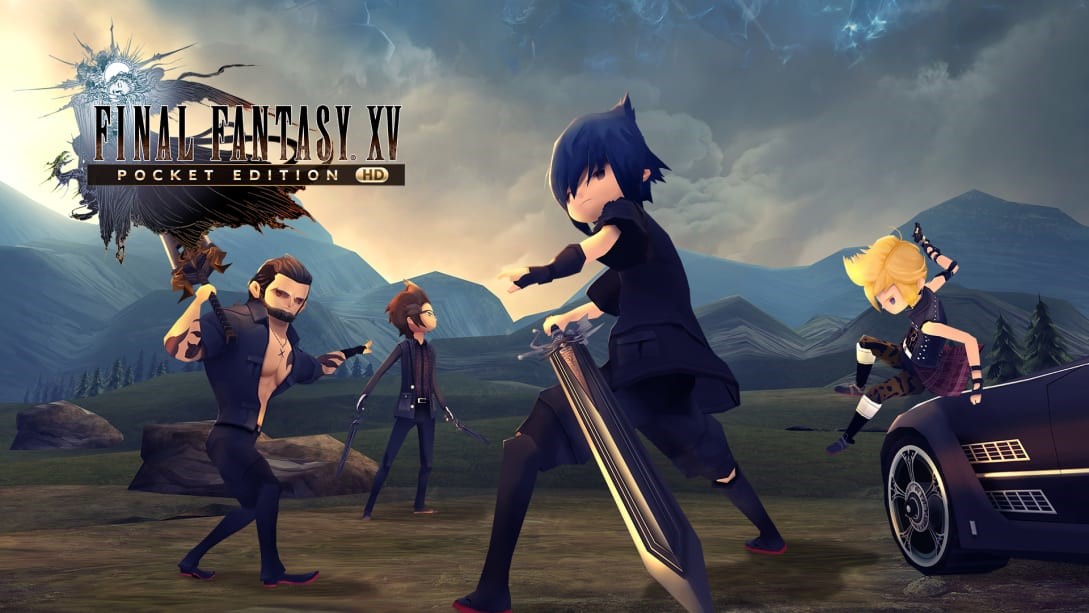
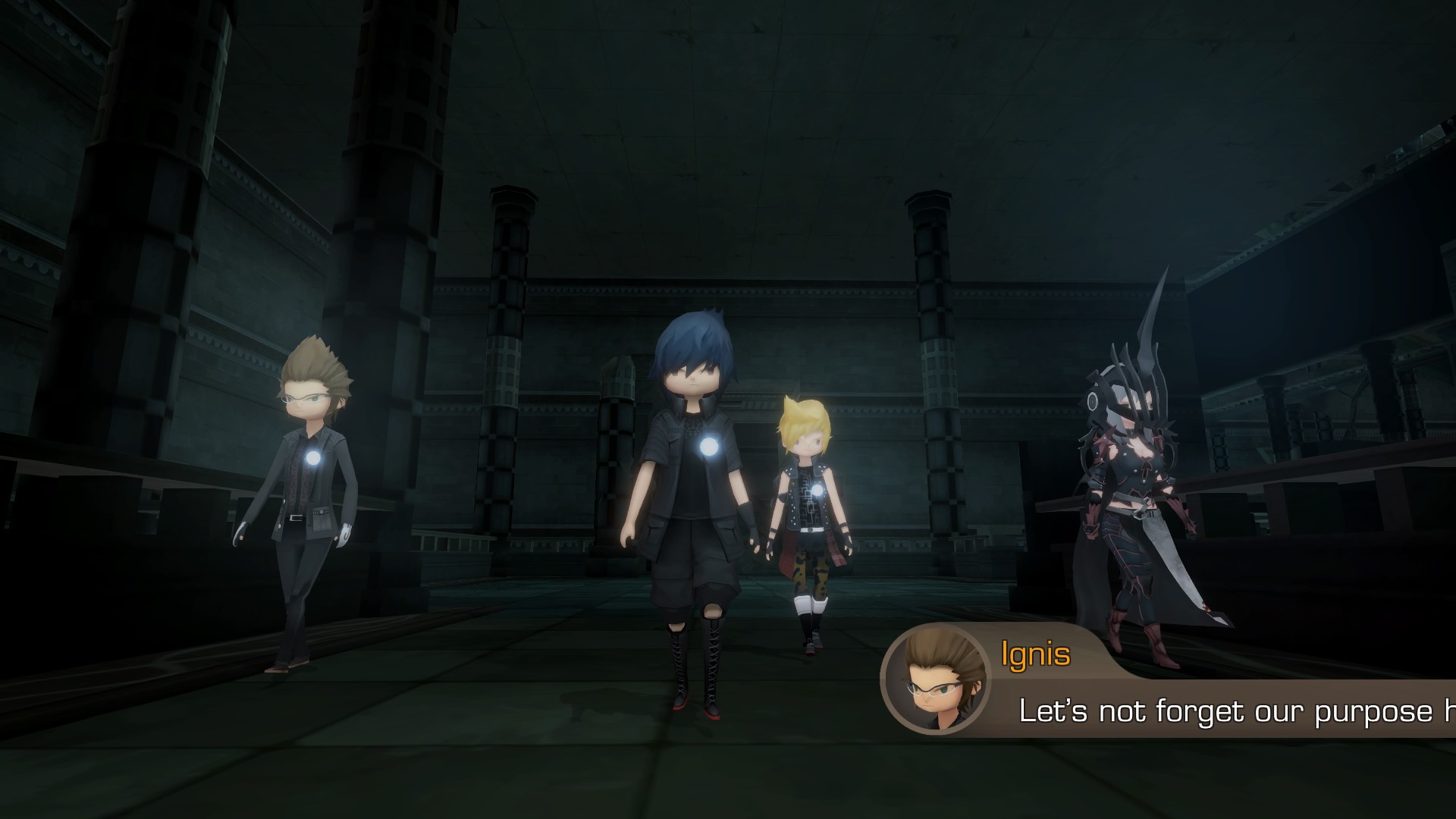
Final Fantasy XV: Pocket Edition HD has an interesting story. Since Final Fantasy XV was originally released for consoles and was too powerful for mobile, Square Enix created a mobile version of the game with an abridged story and simplified controls. It was then ported to consoles since Square Enix wanted more sales of the game and here we are. It’s a chibi version of Final Fantasy XV.


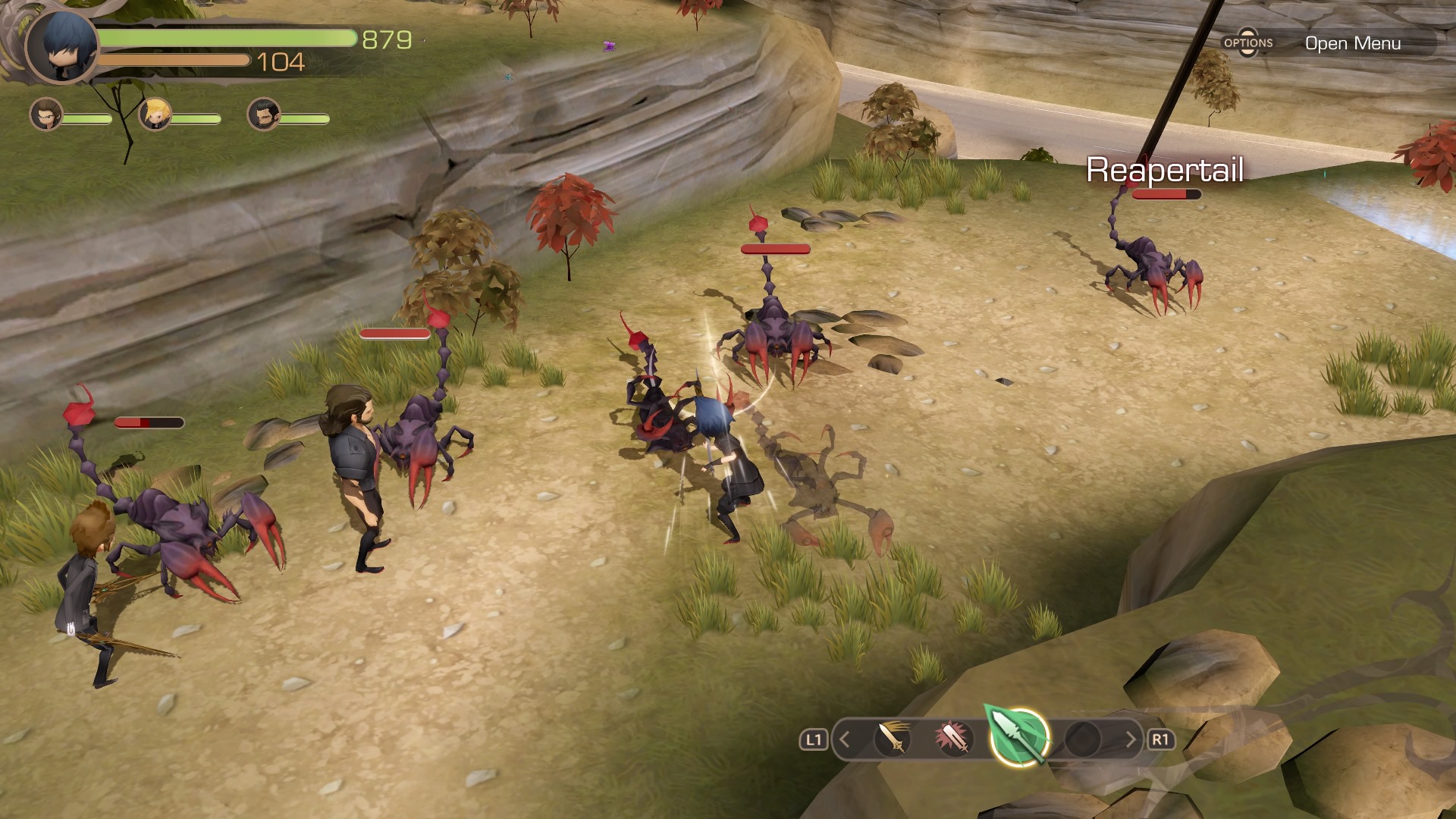
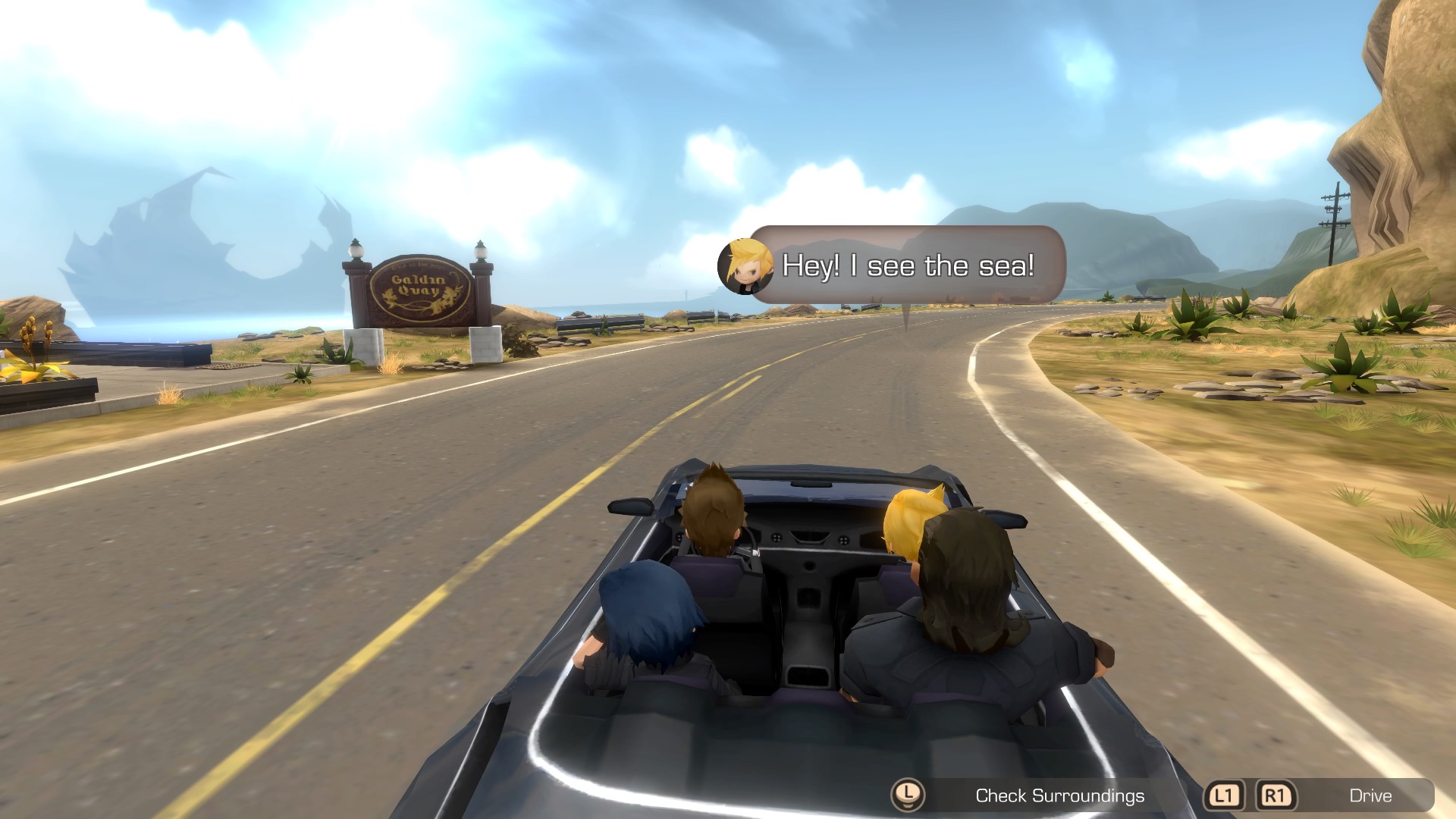
The mobile roots of the game is obvious. While the graphics are decent enough thanks to the chibi cartoony look, the biggest distraction is how the characters’ mouths don’t move when they’re speaking. You’ll get used to it and the developers have managed to somehow pack enough emotion in their animations (and voice-acting) to help make up for it. However, this lack of emotions because their faces can’t change means that the game cannot pull off dramatic scenes. There are enough emotions in the voice-acting as it seems to use the exact same lines as the original game, but when the characters look a the same and doesn’t match what they are supposed to be feeling at the time, you can’t take the scene seriously at all.


The game tells a distilled version of the story but cutting out all of the pointless filler such as the long travel times and the empty open world. As a result, there are linear maps and progression. The story follows Noctis, crown prince of Lucis, who is betrothed to Lunafreya in order to help bring peace between Lucis and the Niflheim empire. He sets out with his three friends to meet up with her, but events happen during the trip that tears his whole world apart. The first half of the game involves travelling across Lucis, while the second half rushes through the other areas of the world, ultimately fighting and overcoming the villain to save the world.


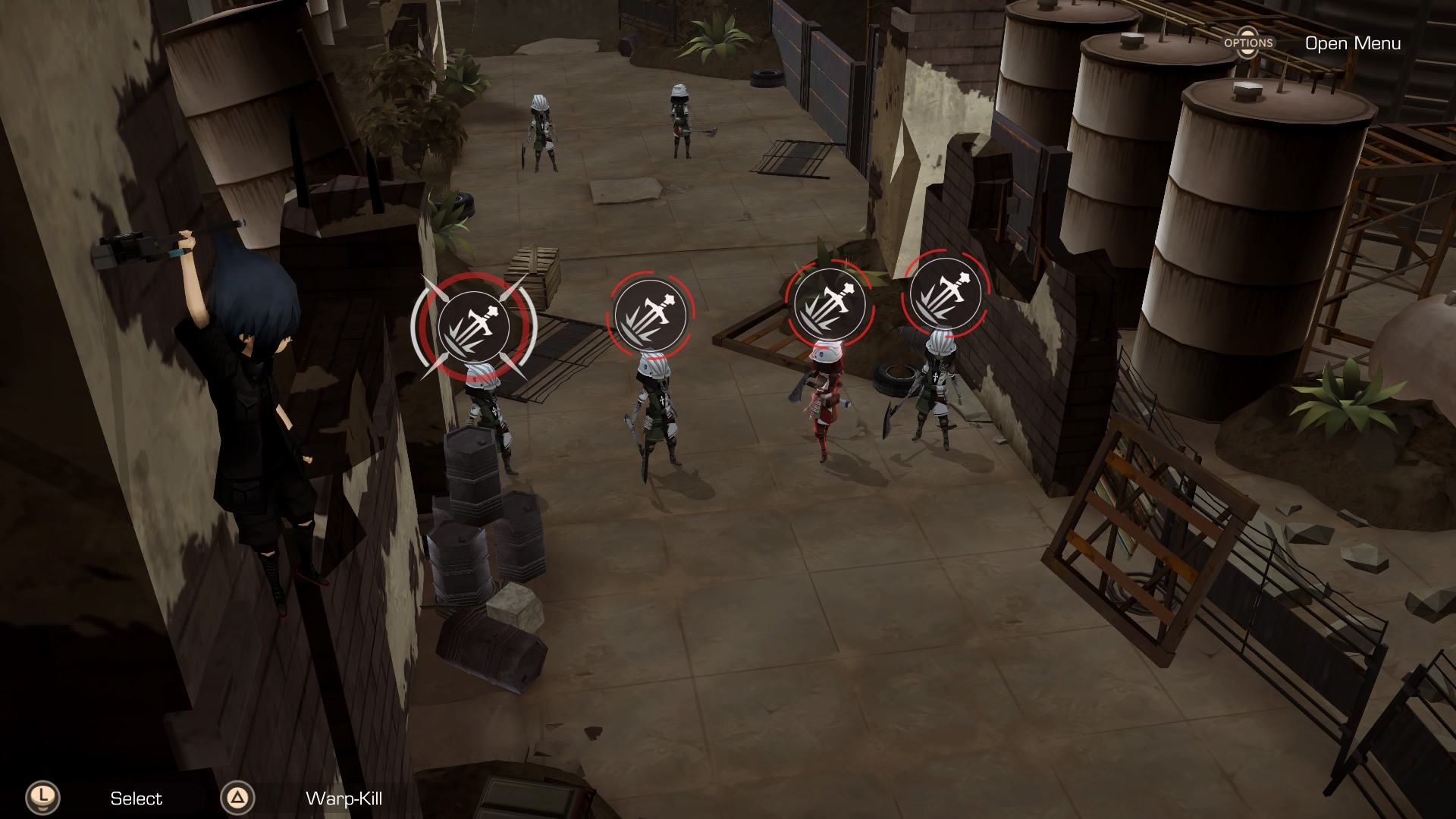
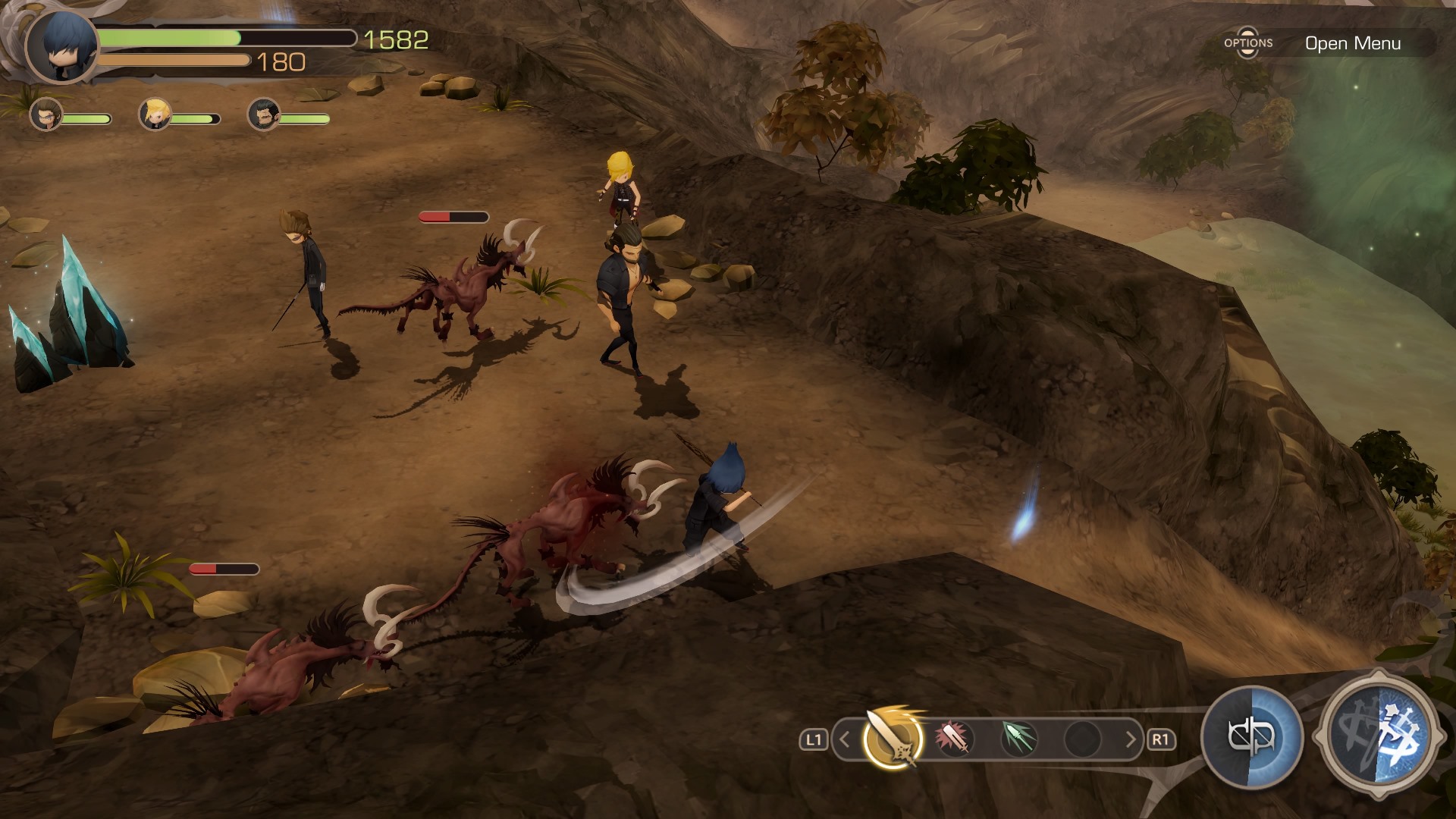
The game supposedly has a simplified battle system but manages to carry over most of the elements from the full console game. It uses Square to attack, Triangle to warp strike, and X to dodge or parry. You control only Noctis while the AI controls the other three. Noctis can change weapons on the fly, with different movesets and damage for each different weapon. Prompts will pop up from time to time so that you can execute a special attack with one of the other team members. While Noctis has access to his super moves, this battle system carries over the feel of the console game surprisingly well.


Dungeons are linear but there are some simple split paths. They aren’t too big but for some reason, there is no mini-map, so you have to constantly pause the game to pull up the full map. At least the dungeons don’t outstay their welcome and enemy encounters are placed so that they’re not too frequent either. As they do not respawn, this means you don’t have to grind for the bosses. There is a fixed overhead camera though, so it’s somewhat annoying when you can’t see too far ahead.


There is a handy navigation arrow below Noctis to show where you need to go next. The map has important events such as objectives and sidequests highlighted. However, this is probably a relic from its mobile roots but only the analogue stick works. You cannot use the D-pad at all, not even in menus. You definitely should have played the original game first as half the fun is recognising the places in chibi form, and finding out which of the events and sidequests managed to make it over to this game. There is a lot of asset result in terms of the recorded lines and the epic music.


There are a limited amount of sidequests but they’re quick to finish. Yes, they are still fetch or hunt quests but since there aren’t too much of them, and usually they’re able to be completed immediately in your current area, they aren’t the complete borefest like the ones in the original game. Furthermore, due to all the boring fluff having been taken out, the story is a lot more focused, bringing to light all of its positives and negatives. The positives are that it is better paced and easier to understand. While the negatives are that it's still a badly structured story that had a lot of potential but squandered it completely and absolutely.


Just like the console game, this game starts to unravel towards the end. The second half was always the weakest part of the story and gameplay. With this adaptation, it carries all of the flaws over. The later chapters will have gimmicky events like timed battles, gimped abilities, and solo battles. Everything the game throws at you to spice things up are a hindrance and liability. When you have to fight monsters in an extremely confined space, solo, and the enemies are HP sponges, then it is absolutely no fun at all. A lot of enemy encounters start to become HP sponges and since you cannot run away from battle, it’ll take minutes while you wail away at them for so long before they finally die.


It wouldn’t be so bad if the unfun parts were quickly passed but unfortunately, they are dragged out for too long. Frankly, the final chapters were a waste of time and are the poorest parts of the game. They feel completely different to the rest of the game before it, which were at least enjoyable. There are ten chapters to the game, taking around fifteen to twenty hours to finish. There’s not much to do afterwards unless you want to replay chapters to do some sidequests you may have missed.


Overall, Final Fantasy XV: Pocket Edition HD is a good game and actually does many things better than the original. The abridged story allows for much tighter pacing but doesn’t fix the flaw of the story itself being bad, especially the second half and the ending. It pretty much keeps all of the combat mechanics and while it does simplify some things, the original wasn’t that complex either so this may actually be very faithful and more fun. The chibi graphics are only let down by the lack of expressions of the characters’ faces. While it is designed for players who have already played Final fantasy XV and presents a bite-sized version of the game, this could actually be a decent replacement if you only wanted the core experience without the open world trash filler.

-----------------------------------------------
For other game reviews, have a look at this page and this page.

Sunday, January 15, 2023

Toy Review: Transformers HasLab Holi and Fire


Review: 
#748
Name:  Holi and Fire
Brand:  Transformers
Allegiance:  Autobot
Line:  HasLab
Year of Release:  2022
Size Class:  N/A
Mold Status:  repaint of Siege Stakeout and Siege Red Heat

HOLI (VEHICLE MODE):


Holi and Fire comes as the Tier 3 target as part of the HasLab Victory Saber set.  Holi transforms into a black and white policy car, and is a repaint of Siege Stakeout.


It's a good vehicle mode but the black is inconsistent, so it appears patchy instead.  However, the paint applications are good in that even the rear windshield is painted.


As a Micromaster, Holi is not too big, above is a comparison against Legion Barricade.


A good vehicle mode, nothing much to say about it since the Micromasters' gimmick is their small sizes.

HOLI (TRANSFORMATION):

At this tiny size, the transformation scheme is simple.  The back unfolds to become the legs, the sides open to form the arms, and the hood folds back to reveal the head.  However, good luck trying to transform him without popping one of the legs off, the tolerance of the balljoints just isn't up to scratch and it constantly pops off.

HOLI (ROBOT MODE):


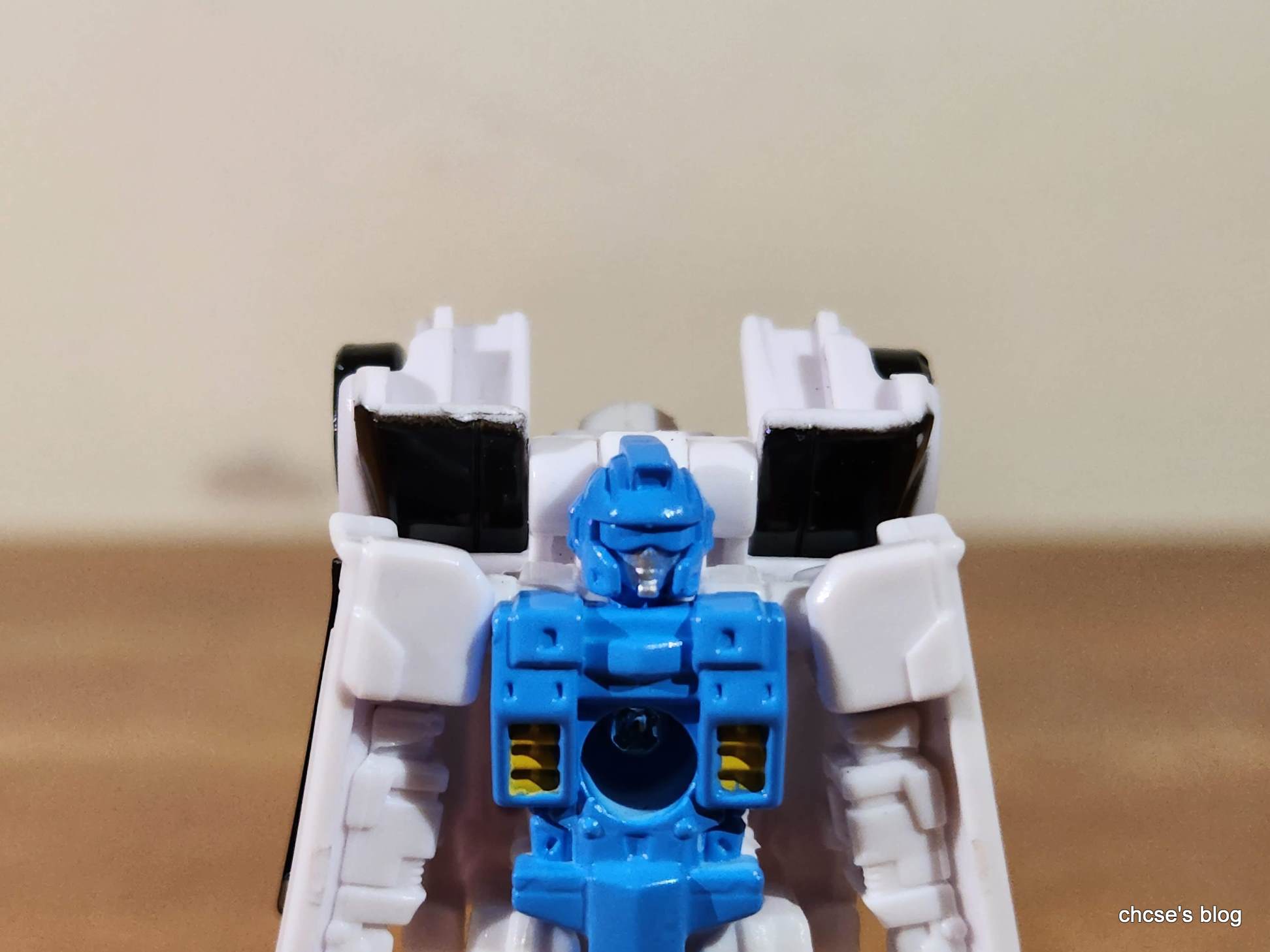
Robot mode is pretty good, or as good as it can be at this size.


He carries the vehicle hood as a backpack, but it isn't too bad since it sits close to the body.


The head sculpt is fine, it actually has a swivel so can turn from side to side.


As expected, Holi is small, above is a comparison against Legion Crosshairs.


Articulation is decent, with a swivel head, balljointed shoulders and hips, and hinged knees.  But as mentioned earlier, the hips are constantly wanting to pop off, and at such a small size, it can be a pain to pose him.

FIRE (VEHICLE MODE):


Holi's partner is Fire, who transforms into a mini firetruck, Fire is a repaint of Siege Red Heat.


This is a decent vehicle for this size, even if the mode is somewhat compromised with the exposed transformation joints.


The ladder can rotate, although it is a separate piece and prone to detaching, which is annoying.


Just like Holi, Fire is quite small since he is a Micromaster after all.


It's an okay vehicle mode for display and theoretically has a bit of extra play value thanks to the rotating ladder.

FIRE (TRANSFORMATION):

Transformation is easy, as the front unfolds to become the legs, the sides the arms, and then you just stand him up.  The ladder folds in half but it is on a 5mm peg, and is prone to falling off anyway.

FIRE (ROBOT MODE):


Robot mode is fine, and you might think he looks very similar to Red Heat, but they have different shades of red.


Fire has long heel spurs but they're not super great in that they are on hinges that tend to fold in due to gravity.


The head sculpt is fine for something this size, but due to the panel above, it can be hard to turn his head.


A quick comparison with Legion Crosshairs above.


Fire has a hinged head and knees, with balljointed arms and hips, but they're all fairly restricted.

COMBINED MODE:


As a set, Holi and Fire is nice, even more so considering that they were a bonus that came with  Victory Saber.


Both molds are flawed, which is understandable given their small size.  It is still annoying though that both have a piece that is prone to popping off.


Even though this isn't in the instructions, due to the molds originally being from Siege, the pair can combine into a weapon, a gun of sorts but it doesn't look very good.


Given Star Saber has pieces around his forearms that prevents him from holding the combined weapon, only Victory Leo is able to wield this weapon.

OVERALL:

Holi and Fire aren't the best molds or figures, but as a bonus, that's effectively free, they're fine.  You aren't buying the set anyway for these two, but at least they're well painted, so Hasbro did not cheap out on these.

-------------------------------------------------------
For other Transformers reviews, have a look at this page and this page.

Friday, January 13, 2023

Koi to Uso (2017)


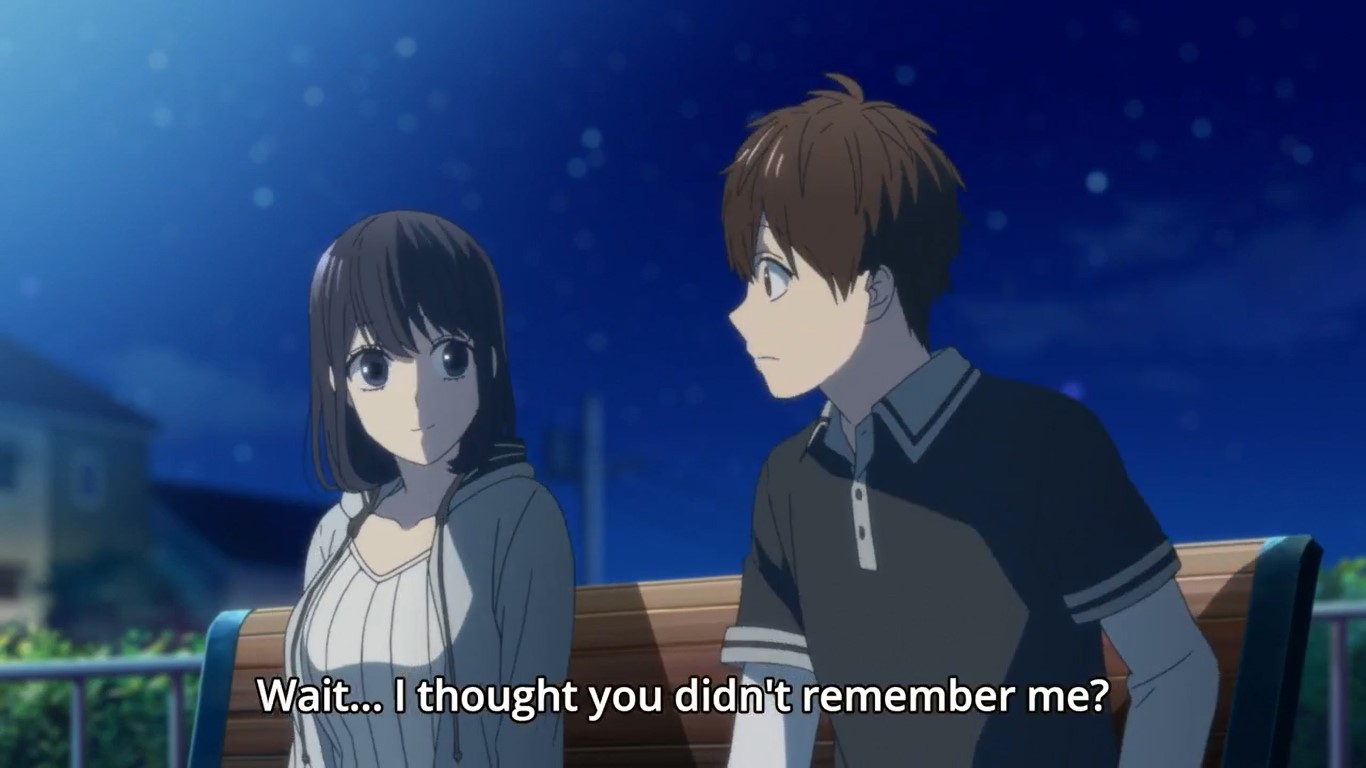
Koi to Uso, literally “Love and Lies”, is a 12 episode anime based upon the manga series. It is set in a world where a law was passed that once a person turns 16, the government will pair them with their life partner. They’ll have no choice in the matter and will have to marry each other. This was a way to combat the decreasing birth rate and was apparently a success given that the birth rate stabilized, and people produced smarter children. It’s not a random pairing since there is some sort of logic and science behind it, called the red strings of science (playing off the red strings of fate).


Nejima Yukari is a high school student who is just about to turn 16. He has a crush on Takasaki Misaki, where they had been in the same classes since childhood. Given the impending deadline, Yukari throws caution to the wind and tells Misaki about his feelings for her, even though logically there is no chance that they can be together (if they are not matched by the government that is).


Now enter Sanada Ririna, who ends up being the one matched to Yukari. As you’d expect, it’s completely awkward, having to meet a stranger knowing that they will be your married partner. Although it’s a bit of a stretch when the anime shows off Ririna’s personality as being completely socially awkward, even though she’s so pretty and cute. For some reason, she shows a keen interest in Yukari’s crush and supports the pair. This completes the setup of the anime, where Ririna kind of helps Yukari, encouraging his love with Misaki.


If you think about it, the arranged marriage concept has a lot of issues with it. From people’s free will to not allowing to love someone else that wasn’t assigned to you, to even just whether you are attracted to the opposite gender or not. Ignoring those issues and accepting the situation for what it is, it is interesting in what the characters have gotten themselves in. They not deliberately rebelling, but they are still in a way rebelling against society and the expectations that are placed upon them.


Surprisingly, the anime does make you think about how such a society with this type of restriction could function. The positives and negatives are both portrayed in the anime and some of the more interesting stories relate to the support characters. In particular, the pair who had given up on their first love to follow the government’s choice instead held a lot of potential but unfortunately wasn’t explored at all beyond recalling their fond memories of the past.


Regardless of how unique the situation is, it’s tough to imagine what sort of plot arcs can occur to keep the anime interesting. Obviously, the relationship between Yukari, Misaki and Ririna takes front and centre as they go through various obstacles. Yukari and Misaki clearly has feelings for each other and while Ririna’s detached at first, when she realises the impact that this may have on everyone’s futures, that gives her second feels. The feelings for Yukari that she slowly gains doesn’t help matters.


The characters are teenagers and so they are going through puberty. Of course, they become attracted to each other, however, they are still inexperienced. The anime doesn’t shy away from this fact, rather, it puts that front and centre so that at times, it may surprise you with its forwardness. The characters go through sexual education, with the government hilariously pushing the two together.


Yukari ends up at a crossroads, given that he has to make a choice between Misaki and Ririna. This causes a lot of good tension in the anime. The anime puts a lot of emphasis on the innocence of the characters and the moral dilemma that they are experiencing. Although objectively, it’s unfair for Yukari to string along the other two like this. This eventual love triangle has no winners as you’d end up caring about all of them.


The whole season revolves around Yukari not being able to decide what to do. Should he follow his heart or follow the social norm? Then again, it’s harder for him given that he does eventually develop feelings for Ririna. The great thing is that the anime resists the urge to make jealousy a big thing. Neither of the two heroines get jealous to the point of causing a lot of painful drama. They display just the right amount so that they’re both still likeable.


As the manga is still ongoing, naturally the season finale isn’t going to be satisfying at all and will just leave it at status quo. The season had constantly hint at something deeper happening in the background and that there is something fishy going on with Yukari and Ririna’s pairing. The characters are all “lying” to themselves so their motivations aren’t completely clear yet. Unfortunately, all this does is make Yukari seem selfish for being so indecisive and dragging the two heroines along with him on this painful path, both of whom deserves more clarity.


The OVA has two additional scenarios, which naturally doesn’t further the plot. Nevertheless, it’s a side event that adds a nice touch to the season. The music is also surprising good, you’d notice a few tracks playing in the background in various scenes and enhances the emotions felt in them.


Overall, Koi to Uso has a somewhat exaggerated premise but manages to make it work, as long as you ignore the many issues such a situation might cause. The chemistry between the characters are the highlight of the anime and it makes it much more enjoyable that it has any right to be. It lightly touches upon the innocence and sweetness of one’s first love so you may experience a blast of nostalgia, so it’s a shame that there isn’t a second season.

--------------------------------------------------------
For other anime reviews, have a look at this page and this page.
Blogger Widget